


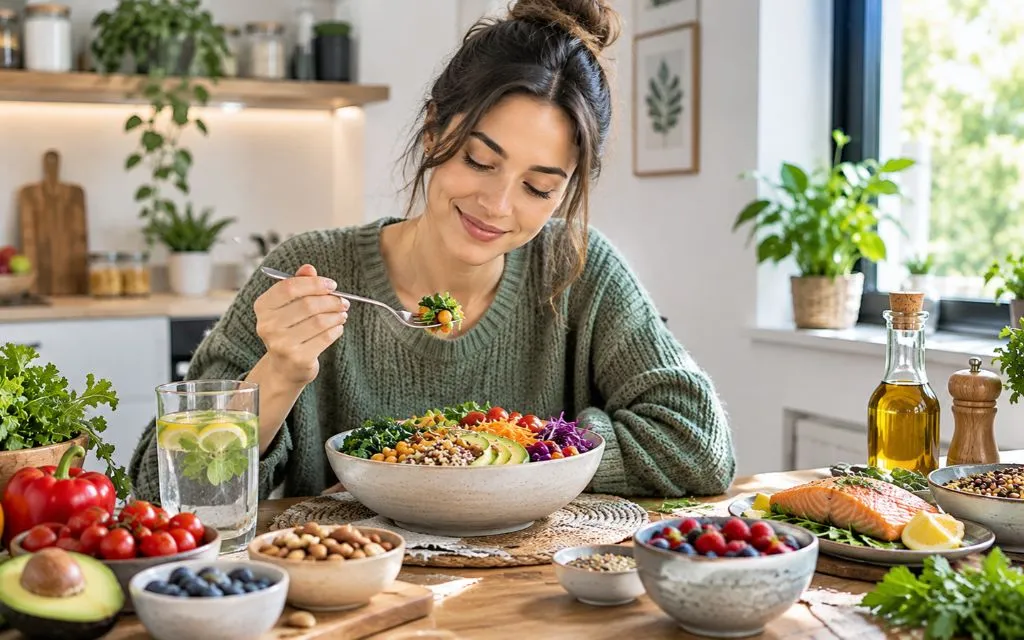

People are increasingly interested in eating for more than weight control. They also want to support healthy aging, maintain muscle, protect heart health, and stay active for as long as possible.
- What Is a Longevity Diet?
- Top Longevity Diet Trends in 2026
- 3. Fiber and Gut Health Are Key Trends
- 4. Healthy Fats and Less Ultra-Processed Food
- 5. Mediterranean-Style Eating Remains Relevant
- 6. Blue Zone-Inspired Eating Is Still Popular
- 7. Personalized Nutrition Is Growing
- How to Build a Simple Longevity Diet
- Longevity Diet Foods: Simple Comparison
- What About Fasting in 2026?
- Common Longevity Diet Mistakes
- 2026 Longevity Diet Trends at a Glance
- FAQs About Longevity Diet Trends 2026
- Key Takeaway
- Conclusion
That interest has made longevity diet trends 2026 an important nutrition topic.
However, the latest research offers a useful reminder. A longevity diet does not need to be complicated. It does not have to depend on expensive supplements, rare foods, or extreme fasting plans.
A recent Harvard T.H. Chan School of Public Health review of healthy-aging nutrition highlights a pattern built around vegetables, fruits, whole grains, vegetable oils, legumes, and appropriate protein sources. The emphasis is on a sustainable eating pattern rather than one special food.
This approach also fits recent research showing that several healthy dietary patterns can be associated with better long-term health outcomes. A 2026 UK Biobank study involving 208,379 participants found associations between healthier dietary patterns and lower all-cause mortality and longer estimated life expectancy.
What Is a Longevity Diet?
A longevity diet is not one strict meal plan.
Instead, the term describes an eating pattern designed to support health over the long term. It usually emphasizes nutrient-dense foods while limiting foods that offer lots of calories but fewer useful nutrients.
A typical longevity-focused diet may include:
- Vegetables and leafy greens
- Fruits and berries
- Beans and lentils
- Whole grains
- Nuts and seeds
- Fish and other quality protein sources
- Healthy plant oils
- Fermented foods
- Adequate water
- Fewer highly processed foods
The exact combination can vary. Culture, food availability, age, activity level, medical needs, and personal preferences all matter.
That flexibility is important because a healthy diet needs to be realistic enough to follow for years.
Top Longevity Diet Trends in 2026
The biggest nutrition trends in 2026 are moving away from the idea that one food or one diet can solve everything.
Instead, the focus is shifting toward overall dietary quality and sustainable habits.
1. More Plant-Forward Eating
Plant-forward eating remains one of the strongest themes in healthy-aging nutrition.
This does not necessarily mean becoming vegetarian or vegan. It means giving more space to vegetables, fruits, beans, lentils, whole grains, nuts, and seeds.
These foods provide fiber, vitamins, minerals, antioxidants, and other beneficial compounds.
Harvard nutrition researchers continue to highlight vegetables, fruits, whole grains, vegetable oils, and legumes as important parts of dietary patterns associated with healthy aging.
2. Protein for Healthy Aging
Protein is receiving more attention because maintaining muscle becomes increasingly important with age.
Muscle helps with strength, movement, balance, and everyday independence. A diet that provides enough protein can support muscle maintenance when combined with appropriate physical activity.
Good options include:
- Eggs
- Fish
- Yogurt
- Milk
- Beans
- Lentils
- Tofu
- Chicken
- Nuts and seeds
The goal is not simply to eat as much protein as possible. The quality, amount, timing, and overall dietary pattern all matter.
Recent nutrition research on healthy aging also highlights protein sources such as legumes, fish, eggs, and dairy as useful options depending on individual needs.
3. Fiber and Gut Health Are Key Trends
Fiber is another major part of the longevity conversation.
Beans, lentils, vegetables, fruits, oats, barley, and other whole plant foods can increase fiber intake.
Fiber supports normal digestion and also contributes to a healthy gut environment. It can also help people feel satisfied after meals.
Instead of looking for one expensive probiotic product, a practical approach is to build a varied diet that contains different plant foods.
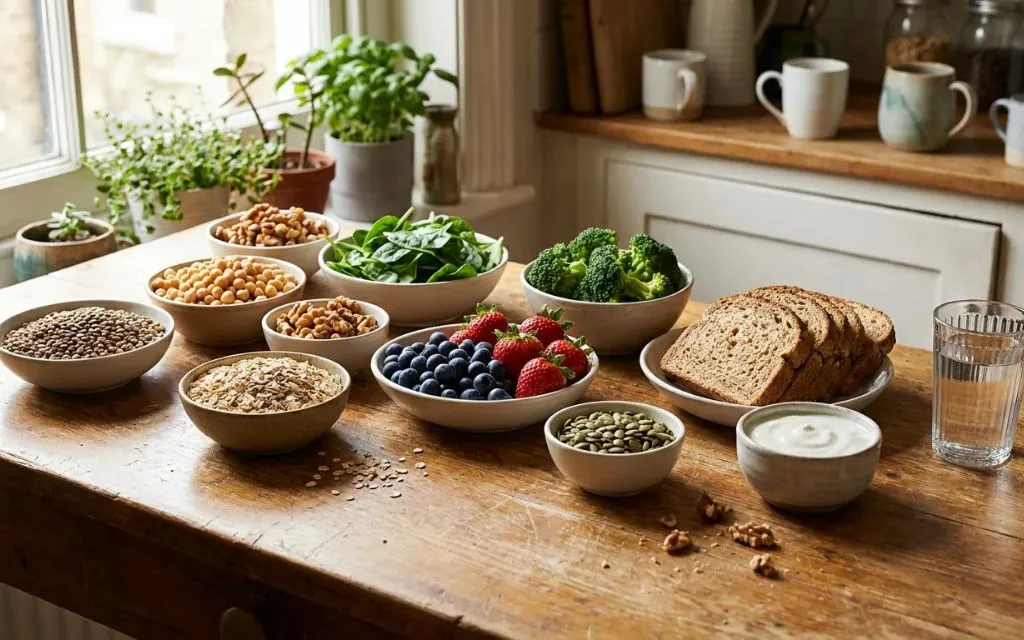
Try rotating foods throughout the week:
| Food Group | Examples |
| Legumes | Beans, lentils, chickpeas |
| Whole grains | Oats, barley, brown rice |
| Vegetables | Spinach, broccoli, carrots |
| Fruits | Apples, berries, oranges |
| Seeds | Chia, flax, pumpkin seeds |
| Nuts | Almonds, walnuts, pistachios |
A varied diet can provide different types of fiber and plant compounds.
4. Healthy Fats and Less Ultra-Processed Food
Another major trend is choosing healthier sources of dietary fat while reducing heavily processed foods.
Nuts, seeds, olives, avocados, and plant oils can fit into a balanced eating pattern. Fish can also provide beneficial unsaturated fats.
At the same time, many longevity-focused approaches encourage people to reduce their intake of highly processed foods, especially when these foods frequently replace more nutritious options.
This does not mean every packaged food is automatically unhealthy. Some packaged foods can be convenient and nutritious.
The bigger question is the overall pattern.
A Simple Food Swap
Instead of:
Sugary snack + soft drink
Try:
Fruit, plain yogurt, a handful of nuts
Instead of:
Refined grains, highly processed topping
Try:
Whole grains, vegetables, beans or another protein source
Small changes can be easier to maintain than a complete diet overhaul.
5. Mediterranean-Style Eating Remains Relevant
The Mediterranean diet continues to receive attention in longevity research.

It commonly emphasizes:
- Vegetables
- Fruits
- Whole grains
- Beans
- Nuts
- Seeds
- Olive oil
- Fish
- Moderate amounts of dairy and other animal foods
The important point is that the Mediterranean diet is not just about individual foods. It represents an overall eating pattern.
A 2026 review of nutritional strategies for biological aging discusses Mediterranean-style eating alongside other approaches such as calorie restriction, intermittent fasting, and micronutrient strategies. However, researchers also note important challenges when translating biological-aging research into practical recommendations.
This means people should avoid viewing the Mediterranean diet as a guaranteed method for extending lifespan.
6. Blue Zone-Inspired Eating Is Still Popular
Blue Zones continue to influence longevity discussions in 2026. Choosing nutritious foods is important, but how you eat also matters. Practicing mindful eating habits can help you pay attention to hunger and fullness cues, slow down during meals, and become more aware of your food choices. Combined with a balanced, nutrient-rich diet, these habits can make healthy eating feel more sustainable over time.
The commonly discussed regions include Okinawa, Sardinia, Ikaria, Nicoya, and Loma Linda.
Harvard Health notes that these communities share several lifestyle patterns, including primarily plant-based eating, regular movement, social connection, stress management, and a sense of purpose.
Food is only one part of that picture.
For example, Blue Zone-style eating often includes beans, vegetables, fruits, whole grains, and nuts. The Blue Zones organization also emphasizes plant foods and daily bean consumption in its food guidelines.
However, Blue Zone observations should not be treated as proof that one specific food automatically causes longer life. Lifestyle, genetics, environment, healthcare access, social factors, and many other variables can affect longevity.
7. Personalized Nutrition Is Growing
Another important trend is personalized nutrition.
People do not all have identical nutritional needs. Age, activity, body composition, food preferences, medical conditions, medications, and lifestyle can affect dietary requirements.
For example, an active adult may have different protein and calorie needs from an older adult with a low activity level.
Personalized nutrition may eventually become more precise through biomarkers and other health data. Research into biological age is already exploring how nutrition can affect different biological systems.
Still, consumers should be careful with services that promise to reveal a perfect diet from a single test.
A personalized approach should support evidence-based nutrition rather than replace it.
How to Build a Simple Longevity Diet
Consistency is key when building healthy habits for long-term wellness. Planning balanced meals, staying physically active, and getting enough sleep can become easier when you follow a realistic schedule. Learning how to create a daily routine you can stick to can help you build sustainable habits that fit your lifestyle and support your overall well-being.
Use a simple plate-based approach.
Step 1: Add More Vegetables
Try to include vegetables in at least two main meals each day.
Use different colors and types throughout the week.
Step 2: Add a Protein Source
Include beans, lentils, eggs, fish, yogurt, tofu, poultry, or another suitable protein source.
Step 3: Choose Whole-Food Carbohydrates
Oats, brown rice, whole-grain bread, barley, potatoes, and other minimally processed carbohydrates can fit into a balanced diet.
Step 4: Include Healthy Fats
Add foods such as nuts, seeds, avocado, olives, or suitable plant oils.
Step 5: Reduce Highly Processed Choices
You do not need to eliminate every processed food.
Instead, make minimally processed foods the foundation of most meals.
Step 6: Keep the Plan Sustainable
A diet that looks perfect for two weeks but becomes impossible to maintain is not a practical longevity strategy.
Choose foods you enjoy and can afford.
Longevity Diet Foods: Simple Comparison
| Food | Why It Fits a Longevity Pattern |
| Beans | Protein, fiber, minerals |
| Lentils | Protein, fiber, folate |
| Leafy greens | Vitamins, minerals, plant compounds |
| Berries | Fiber and polyphenols |
| Whole grains | Fiber and complex carbohydrates |
| Nuts | Healthy fats, protein, minerals |
| Seeds | Healthy fats and fiber |
| Fish | Protein and unsaturated fats |
| Yogurt | Protein and useful nutrients |
| Olive oil | Unsaturated fat |
| Eggs | Protein and several micronutrients |
| Vegetables | Fiber, vitamins, minerals |
No single food on this list guarantees longevity. The overall pattern matters more.
What About Fasting in 2026?
Intermittent fasting continues to appear in longevity discussions.
Research on nutritional strategies and biological aging includes intermittent fasting as an area of scientific interest. However, the evidence does not mean everyone should fast.
Some people may find a time-restricted eating schedule convenient, while others may prefer regular meals.
Fasting can also be unsuitable for some people, especially those with certain medical conditions, medication requirements, pregnancy, or a history of disordered eating.
For that reason, fasting should not become the central requirement of a longevity diet.
Common Longevity Diet Mistakes
Chasing Superfoods
No single berry, seed, vegetable, or supplement can replace an overall healthy diet.
Eating Too Little
Longevity is not simply about eating fewer calories. Older adults, athletes, and other groups may have increased nutritional needs.
Ignoring Protein
A plant-heavy diet still needs enough protein to support normal body functions and muscle maintenance.
Depending on Supplements
Supplements can have a role when a person has a documented deficiency or specific medical need. They should not replace a varied diet.
Making the Diet Too Strict
Extreme rules can make healthy eating difficult to maintain. A flexible pattern is often more practical.
2026 Longevity Diet Trends at a Glance
| Trend | Main Focus |
| Plant-forward eating | More vegetables, fruits, beans, and whole grains |
| Protein awareness | Supporting muscle and healthy aging |
| High-fiber foods | Digestive and metabolic health |
| Healthy fats | Nuts, seeds, fish, olive oil, and similar foods |
| Less ultra-processed food | Improving overall dietary quality |
| Mediterranean-style eating | A balanced whole-food pattern |
| Blue Zone inspiration | Food plus lifestyle habits |
| Personalized nutrition | Adjusting diet to individual needs |
| Sustainable eating | Habits that can continue long term |
FAQs About Longevity Diet Trends 2026
What is the best longevity diet in 2026?
Current evidence does not identify one universal diet as the best longevity diet. Several healthy eating patterns share common features such as more plant foods, adequate protein, fiber, healthy fats, and fewer highly processed foods.
What foods are linked with healthy aging?
Vegetables, fruits, legumes, whole grains, nuts, seeds, fish, and other nutrient-dense foods commonly appear in healthy-aging dietary patterns.
Is the Mediterranean diet a longevity diet?
Yes, the Mediterranean diet is commonly discussed as a longevity-friendly eating pattern because it emphasizes plant foods, whole grains, legumes, healthy fats, and other minimally processed foods. However, it should not be viewed as a guaranteed method for extending lifespan.
Are Blue Zone diets still relevant in 2026?
Blue Zone eating patterns remain relevant as examples of traditional diets and lifestyles associated with healthy aging. However, researchers caution against treating Blue Zones as a definitive scientific blueprint for longevity.
Does protein matter for longevity?
Protein matters for normal body function and muscle maintenance. Getting adequate protein becomes particularly important as people age because preserving muscle supports strength and physical independence.
Should I take supplements for longevity?
Not automatically. A balanced diet should provide the most nutrients for many people. Supplements may be useful when there is a specific nutritional need, but they should not replace a varied diet.
Is intermittent fasting necessary for longevity?
No. Intermittent fasting is one area of longevity research, but it is not a required part of a healthy diet.
Can I eat meat on a longevity diet?
Yes. A longevity-focused eating pattern does not necessarily require eliminating meat. The overall dietary pattern, food quality, portion sizes, and balance with plant foods are more important.
Key Takeaway
The biggest longevity diet trends in 2026 are surprisingly practical.
Eat more vegetables, fruits, beans, whole grains, nuts, and seeds. Get adequate protein. Choose healthy fats. Eat enough fiber. Reduce highly processed foods. Stay physically active and build habits that you can maintain.
The latest evidence also suggests that people do not need to find one perfect longevity diet. Different healthy dietary patterns can share many of the same core principles.
Conclusion
The longevity diet conversation is becoming less about miracle foods and more about consistent habits.
In 2026, the strongest common theme is dietary quality. Plant-rich foods, adequate protein, fiber, healthy fats, and minimally processed choices can form the foundation of a practical healthy-aging diet.
A good longevity diet should also fit real life. It should work with your budget, culture, schedule, food preferences, and nutritional needs.
Instead of searching for a perfect menu, focus on building a pattern you can follow for years.