

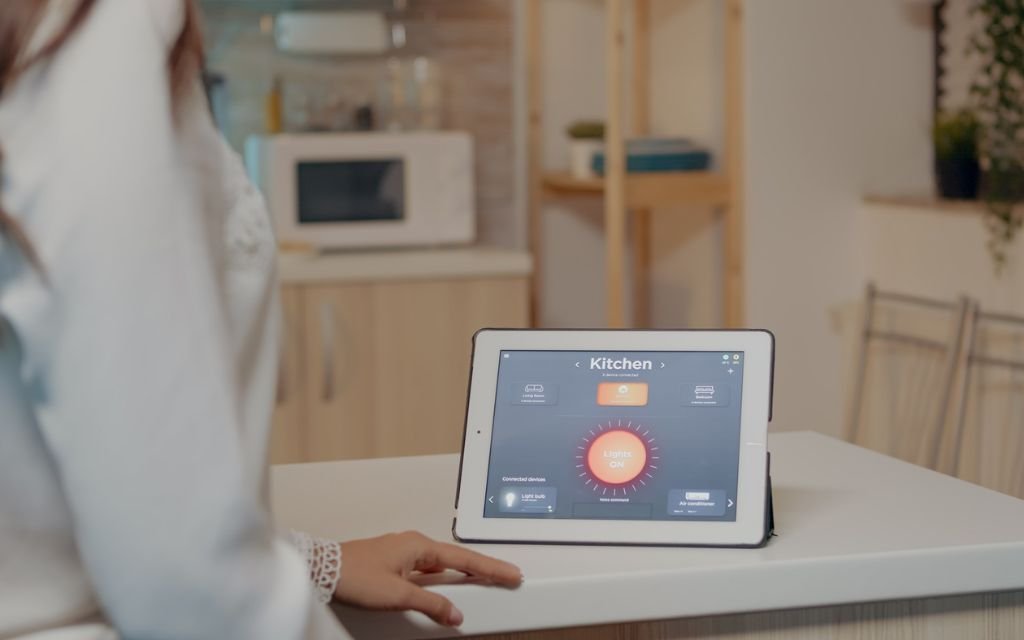

Smart kitchen appliances in 2026 connect to Wi-Fi or other smart home systems and can offer remote control, alerts, automation, sensors, cooking assistance, and energy monitoring. Popular options include smart refrigerators, ovens, microwaves, dishwashers, coffee makers, and air fryers.
- What Are Smart Kitchen Appliances?
- How Do Smart Kitchen Appliances Work?
- Best Smart Kitchen Appliances in 2026
- Key Features to Look For in Smart Kitchen Appliances
- Are Smart Kitchen Appliances Energy Efficient?
- Benefits of Smart Kitchen Appliances
- Possible Drawbacks of Smart Kitchen Appliances
- How to Choose the Right Smart Kitchen Appliance
- Smart Kitchen Appliances and Matter
- Smart Kitchen Setup Ideas for 2026
- Smart Kitchen Appliances 2026 Buying Checklist
- Key Takeaway
- Frequently Asked Questions
- Conclusion
The right appliance depends on your kitchen, budget, cooking habits, connectivity needs, and energy goals. Look for useful features rather than paying extra for technology you may rarely use.
What Are Smart Kitchen Appliances?
Smart kitchen appliances are connected devices that use Wi-Fi, Bluetooth, sensors, apps, or smart home platforms to provide more control and information.
A normal oven, for example, lets you choose a temperature and cooking mode from the appliance itself. A smart oven may also allow you to preheat it from a phone, receive cooking notifications, monitor temperature, or connect with other devices.
Manufacturers now offer connected refrigerators, ovens, ranges, microwaves, dishwashers, coffee makers, and other kitchen products. Features vary widely between models, so buyers should check exactly what each appliance supports.
Whirlpool explains that smart appliances can connect with smartphones and use sensors to monitor things such as temperature, cycles, and timing.
Internal link placement 1: Add a link here to your related article about smart home technology.
How Do Smart Kitchen Appliances Work?
Smart kitchen appliances usually combine hardware, sensors, software, and wireless connectivity.
The appliance connects to a home network and communicates with a smartphone app or compatible smart home platform. Depending on the product, users can then check settings, receive alerts, change certain controls, or monitor activity.
For example, a connected refrigerator may send an alert when its door remains open. A smart dishwasher may allow users to monitor a cycle from a phone. Some connected ovens can send notifications when cooking is complete.
ENERGY STAR notes that connected appliances can provide features such as energy-use information, alerts, scheduling, and some demand-response functions.
Sensors Make Smart Appliances More Useful
Sensors are an important part of connected appliances.
A dishwasher may use sensors to estimate how dirty dishes are and adjust the washing process. An oven can use temperature sensors to maintain a more consistent cooking environment.
Some newer appliances are also adding cameras and computer vision. In 2026, Haier presented an oven with an internal AI vision camera designed to identify food and monitor its cooking progress.
Best Smart Kitchen Appliances in 2026
There is no single smart appliance that works for every kitchen. Each category solves a different problem.
| Appliance | Useful Smart Features | Best For |
| Smart Refrigerator | Alerts, temperature monitoring, cameras | Food storage |
| Smart Oven | Remote preheating, timers, cooking monitoring | Home cooking |
| Smart Microwave | App control, presets, notifications | Quick meals |
| Smart Dishwasher | Cycle monitoring, scheduling, alerts | Kitchen cleanup |
| Smart Coffee Maker | Scheduling, app control, presets | Coffee routines |
| Smart Air Fryer | Presets, notifications, app controls | Quick cooking |
| Smart Induction Cooktop | Temperature control, sensors | Precise cooking |
1. Smart Refrigerators
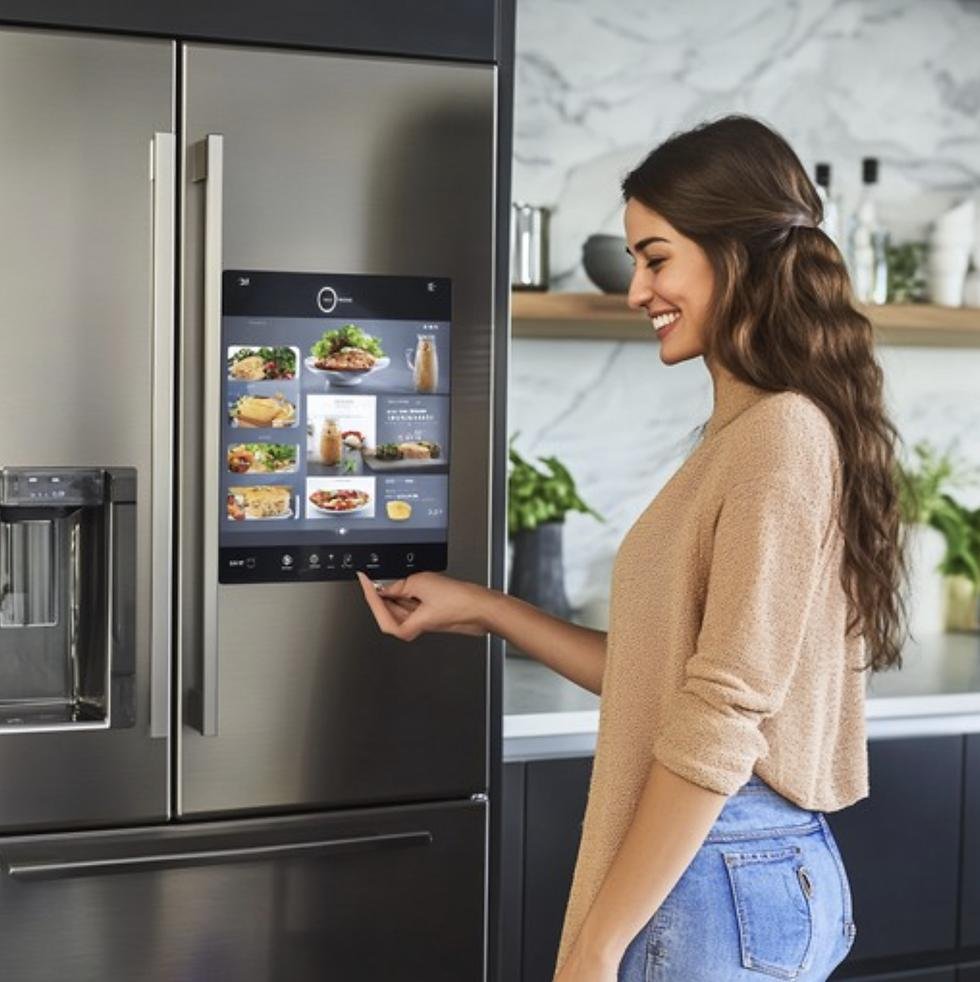
Smart refrigerators are among the most recognizable connected kitchen appliances.
Depending on the model, they can provide door-open alerts, temperature notifications, internal cameras, touchscreen displays, grocery tools, and smartphone monitoring.
Some models can help users check refrigerator contents without opening the door. ENERGY STAR specifically lists connected refrigerator features such as open-door alerts and interior viewing as examples of smart functionality.
A smart refrigerator can be especially useful for busy households that want better food organization.
Internal link placement 2: Add your internal article about smart refrigerators or refrigerator buying tips here.
2. Smart Ovens and Ranges

Smart ovens are becoming more advanced in 2026.
Common features include remote preheating, cooking notifications, temperature monitoring, recipe guidance, voice control, and automatic cooking programs.
Some newer models are moving toward camera-based food recognition. These systems can monitor food during cooking and provide more automated control.
However, buyers should not assume that every oven with an app has advanced AI features. The capabilities can differ significantly between models.
3. Smart Microwaves
Smart microwaves focus mainly on convenience.
Some connected models allow users to monitor cooking progress, control settings through an app, or use programmed cooking modes.
They can be useful for households that frequently prepare quick meals and want more control without standing beside the microwave.
4. Smart Dishwashers
A smart dishwasher can notify you when a cycle finishes, provide maintenance alerts, and in some cases allow remote control or scheduling.
Automatic soil sensors can also help a dishwasher select an appropriate cycle based on the condition of the dishes. ENERGY STAR explains that soil-sensing dishwashers can detect how dirty the water is during a cycle.
For many households, these practical features matter more than a large touchscreen.
5. Smart Coffee Makers
Smart coffee makers can be useful for people who follow a regular morning routine.
Depending on the model, users may be able to schedule brewing, adjust settings, save preferences, or control the machine through an app.
A scheduled coffee maker can start preparation before you enter the kitchen, although users should still follow the manufacturer’s safety instructions.
6. Smart Air Fryers
Smart air fryers combine standard air-frying functions with connected controls or cooking programs.
Some models offer app-based recipes, cooking alerts, temperature control, and preset programs.
The main benefit is usually convenience rather than a completely different cooking method.
7. Smart Induction Cooktops
Smart induction cooktops can combine precise temperature control with sensors and connected features.
Induction already provides fast and controlled heating, while smart functions can add monitoring and automation.
ENERGY STAR says certified electric cooking products are, on average, 18% more efficient than standard models.
Key Features to Look For in Smart Kitchen Appliances
Smart features can look impressive on a product page, but not every feature will be useful.
Wi-Fi Connectivity
Wi-Fi allows the appliance to communicate with an app and, depending on the model, receive remote commands.
Check whether the appliance requires a specific app or subscription before buying.
Smartphone App
A good app should make the appliance easier to use.
Look for useful functions such as:
- Remote monitoring
- Cooking notifications
- Temperature alerts
- Maintenance reminders
- Scheduling
- Energy information
- Recipe support
Voice Control
Some appliances work with compatible voice assistants.
Voice control can be useful when your hands are busy while cooking. Still, the available commands depend on the appliance and supported platform.
Sensors
Sensors can help appliances adjust their operation based on real conditions.
Examples include:
- Temperature sensors
- Door sensors
- Moisture sensors
- Soil sensors
- Load sensors
- Food monitoring cameras
Energy Monitoring
Energy information can help you understand how much electricity an appliance uses.
This is particularly useful for larger appliances such as refrigerators, ovens, and dishwashers.
Are Smart Kitchen Appliances Energy Efficient?
A smart appliance is not automatically energy efficient simply because it has Wi-Fi.
Energy efficiency depends on the appliance’s design, energy consumption, usage patterns, and certification.
ENERGY STAR recommends checking certified products because connected functionality can add features such as energy reporting and scheduling.
For refrigerators, ENERGY STAR says certified models are about 9% more energy efficient than models that meet the federal minimum efficiency standard.
This means buyers should consider both smart features and energy performance.
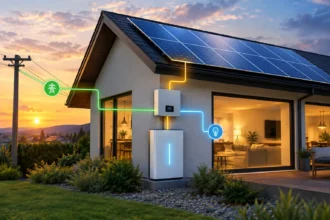
If you are also looking for ways to manage household electricity use, our guide to home solar battery storage explains how stored solar power can support a home’s energy needs.
A cheaper connected appliance that consumes more electricity may not provide the same long-term value as an efficient model with fewer connected features.
Internal link placement 3: Add your internal article about energy-efficient home appliances or energy-saving kitchen tips here.
Benefits of Smart Kitchen Appliances
Remote Control
You can monitor compatible appliances from your phone without staying in the kitchen.
Helpful Alerts
Notifications can tell you when cooking finishes, a refrigerator door remains open, or a maintenance issue needs attention.
Better Scheduling
Some connected appliances can run at scheduled times. This can be useful for daily routines and, where supported, electricity-rate management.
Cooking Assistance
Smart ovens and other cooking appliances may provide guided programs, recipes, temperature recommendations, or automatic settings.
Easier Monitoring
Sensors can provide information that is difficult to check manually.
Smart Home Integration
Compatible appliances can work alongside other connected home devices, depending on the supported ecosystem.
Possible Drawbacks of Smart Kitchen Appliances
Smart technology also comes with limitations.
Higher Purchase Price
Connected models often cost more than basic versions of the same appliance category.
App Dependence
Some features may require a smartphone app, account, internet connection, or manufacturer service.
Privacy and Security
Connected appliances collect and transmit data. Buyers should review privacy settings and security information before connecting an appliance to their home network.
ENERGY STAR acknowledges that connected products can involve security considerations and says the industry continues to develop security standards.
Features Can Become Less Useful
An appliance may have many smart features that you rarely use.
For this reason, it makes sense to prioritize features that solve an actual kitchen problem.
How to Choose the Right Smart Kitchen Appliance
Before buying, consider these questions:
1. What Problem Will It Solve?
Start with your daily routine.
If you often forget about food in the oven, cooking alerts may help. If you struggle with grocery organization, refrigerator monitoring may be more useful.
2. Does It Work With Your Smart Home?
Check compatibility with your existing ecosystem.
Do not assume that every smart appliance works with every smart home platform.
3. Does It Need a Subscription?
Some advanced services may require additional fees.
Read the product details carefully before purchasing.
4. What Happens Without the Internet?
Find out which basic functions still work when the internet connection is unavailable.
An appliance should remain practical even if its connected features temporarily stop working.
5. Is It Energy Efficient?
Compare energy ratings, estimated annual consumption, and operating costs.
The U.S. Department of Energy also advises consumers to consider both purchase price and the energy and water costs associated with kitchen appliances.
Internal link placement 4: Add your internal article about how to choose kitchen appliances here.
Smart Kitchen Appliances and Matter
Matter is an important smart home standard because it is designed to improve compatibility between connected devices and different smart home ecosystems.
In June 2026, the Connectivity Standards Alliance released Matter 1.6 with improvements related to device setup, interoperability, capability information, and security.
For consumers, this means checking Matter support can be useful when buying connected devices for a larger smart home.
However, Matter support does not automatically mean every appliance feature will work across every platform. Buyers should still check the exact compatibility information for the model.
Smart Kitchen Setup Ideas for 2026
A smart kitchen does not need every appliance to be connected.
A practical setup could include:
Basic setup: Smart coffee maker + smart air fryer
Family kitchen: Smart refrigerator + smart dishwasher + smart oven
Energy-focused kitchen: ENERGY STAR refrigerator + efficient dishwasher + connected energy monitoring
Advanced smart kitchen: Smart refrigerator + smart oven + induction cooktop + dishwasher + compatible smart home platform
The best setup depends on how the kitchen is used.
Internal link placement 5: Add your internal article about smart home setup or kitchen technology here.
Smart Kitchen Appliances 2026 Buying Checklist
Before purchasing a connected appliance, check:
- Appliance size
- Cooking or cleaning capacity
- Energy rating
- Wi-Fi requirements
- App quality
- Smart home compatibility
- Matter support if important to you
- Voice assistant compatibility
- Warranty
- Maintenance requirements
- Replacement parts
- Subscription requirements
- Privacy and security information
- Manual controls available without the app
Key Takeaway
Smart kitchen appliances in 2026 are moving beyond simple phone controls. Modern models can combine sensors, connected apps, automation, energy information, cooking assistance, and in some cases AI-based food monitoring.
The most useful appliance is not necessarily the one with the largest touchscreen or the longest feature list. Choose technology that makes a real kitchen task easier while also considering energy use, compatibility, privacy, warranty, and long-term costs.
Frequently Asked Questions
What are smart kitchen appliances?
Smart kitchen appliances are connected kitchen devices that can use Wi-Fi, Bluetooth, sensors, apps, or smart home platforms to provide additional control and monitoring.
What is the most useful smart kitchen appliance?
The answer depends on the household. A smart oven may help frequent cooks, while a smart refrigerator can be useful for food monitoring and organization. A smart dishwasher may be more practical for households that want easier cleaning management.
Do smart kitchen appliances use more electricity?
Not necessarily. Smart features themselves do not determine overall energy efficiency. Check the appliance’s energy performance and operating costs before buying.
Can smart appliances work without Wi-Fi?
Basic functions often continue to work, but some remote controls, notifications, and connected features may require an internet connection. Always check the manufacturer’s specifications.
Are smart kitchen appliances worth buying in 2026?
They can be useful when the connected features solve a real problem. Buyers should compare the added cost with the practical benefits instead of choosing an appliance only because it has smart technology.
What should I check before buying a smart appliance?
Check energy efficiency, app requirements, Wi-Fi compatibility, smart home support, Matter compatibility, warranty, privacy policies, subscription costs, and which functions remain available without internet access.
Conclusion
Smart kitchen appliances in 2026 offer more control, monitoring, automation, and convenience than traditional appliances. Smart refrigerators can provide food and temperature alerts, connected ovens can assist with cooking, and smart dishwashers can simplify cycle monitoring and scheduling.
Technology should support the way you already use your kitchen. Before buying, compare useful features, energy performance, compatibility, security, warranty, and total ownership costs.
A smart kitchen does not need to be completely connected. Even one well-chosen appliance can add useful technology without making the kitchen unnecessarily complicated.