

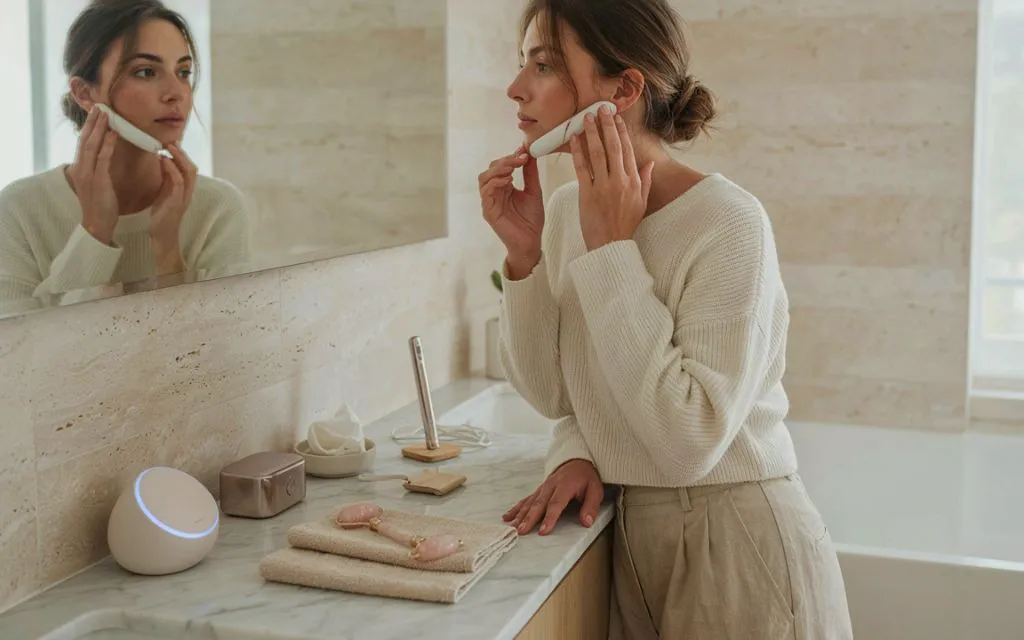

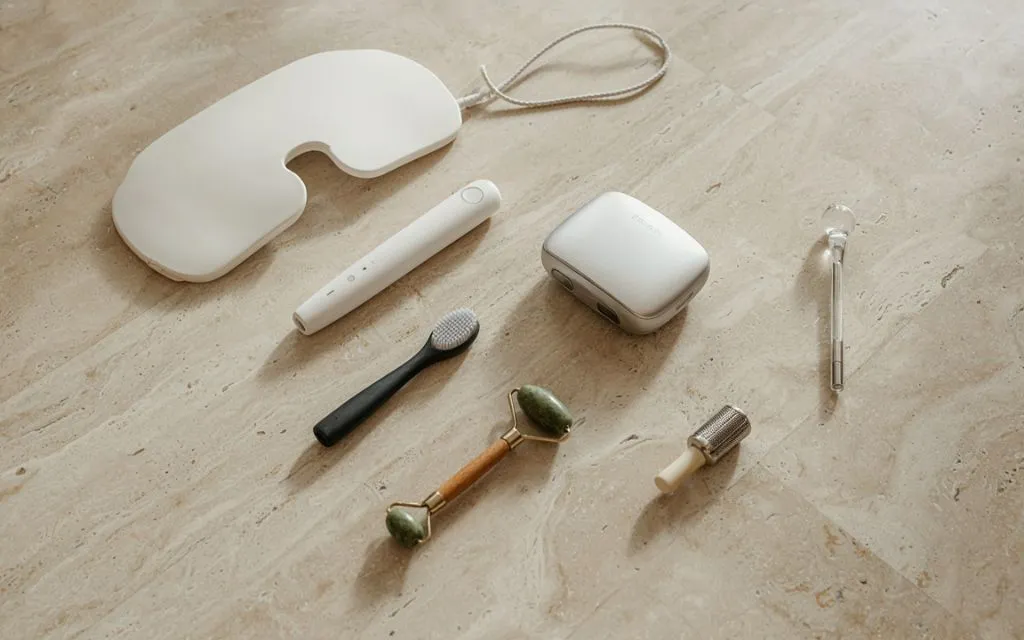
At-home facial devices are skincare tools designed to support concerns such as acne, fine lines, wrinkles, uneven texture, puffiness, and loss of firmness. Common options include LED masks, microcurrent devices, radiofrequency tools, cleansing devices, facial rollers, and other beauty technologies.
- What Are At-Home Facial Devices?
- How Do At-Home Facial Devices Work?
- Main Types of At-Home Facial Devices
- Which Facial Device Is Best for Different Skin Concerns?
- Do At-Home Facial Devices Really Work?
- Benefits of At-Home Facial Devices
- How to Choose the Right Facial Device
- How to Use At-Home Facial Devices Safely
- Common Mistakes to Avoid
- At-Home Devices vs Professional Treatments
- Key Takeaway
- Frequently Asked Questions
- Conclusion
Different devices work in different ways. LED devices use specific wavelengths of light, microcurrent devices use low-level electrical stimulation, and radiofrequency devices use controlled heat. The results also vary by device and skin concern, so choosing the right technology is important.
What Are At-Home Facial Devices?
At-home facial devices are beauty tools that people can use as part of their regular skincare routine. Unlike professional treatments performed in a dermatology clinic, these products are designed for personal use.
Some devices use light, while others use electrical stimulation, radiofrequency energy, vibration, or mechanical massage. Their purpose can range from supporting acne care to improving the appearance of fine lines and skin firmness.
A good at home facial devices guide should therefore look at each technology separately because no single device works for every skin concern.
How Do At-Home Facial Devices Work?
LED Light Therapy
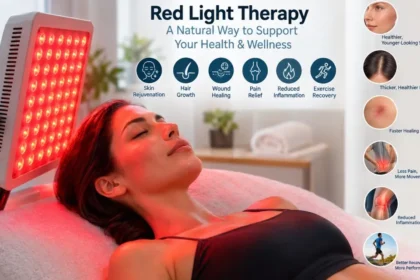
LED devices use different wavelengths of light to target specific skin concerns. Red light is commonly used in skincare routines focused on rejuvenation, while blue light is often used for acne-related concerns.
Some research supports home LED devices for selected acne and skin rejuvenation applications. However, results depend on the wavelength, device specifications, treatment schedule, and individual skin.
Microcurrent Technology
Microcurrent devices use low-level electrical currents across the skin. They are commonly marketed for facial toning and a temporarily lifted appearance.
Users usually apply a conductive gel before treatment. The device then moves across the face according to the manufacturer’s instructions.
Microcurrent should not be considered equivalent to a surgical facelift. Its cosmetic effects are generally more subtle and may require consistent use.
Radiofrequency Technology
Radiofrequency, also called RF, uses electrical energy to produce controlled heat in the skin.
Certain RF devices have been studied for improving the appearance of wrinkles and skin firmness. Home RF devices generally use lower energy levels than professional equipment, so results may be more gradual.
Main Types of At-Home Facial Devices
LED Facial Devices
LED masks and handheld LED devices are among the most popular home skincare tools.
Blue light is commonly associated with acne-focused routines, while red light is often used for skin rejuvenation. Some devices combine multiple wavelengths.
These devices are attractive because they do not require needles and can be incorporated into a regular skincare routine.
Microcurrent Facial Devices
Microcurrent devices are designed to provide low-level electrical stimulation. They are often used for facial toning, contouring, and a temporarily lifted appearance.
They can be useful for people who want a simple beauty device without aggressive exfoliation or heat.
Radiofrequency Facial Devices
RF facial devices use controlled heat to target deeper skin layers. They are mainly used for concerns related to fine lines, wrinkles, and skin firmness.
Because RF produces heat, following the recommended treatment time and intensity is particularly important.
Facial Cleansing Devices
Cleansing devices use vibration or mechanical movement to help remove surface dirt, makeup, and oil.
They can make cleansing feel more thorough, but excessive use may irritate the skin. People with sensitive skin should use a gentle setting and avoid aggressive scrubbing.
Facial Rollers and Massage Tools
Facial rollers and massage tools provide mechanical massage rather than energy-based treatment.
They may temporarily reduce the appearance of puffiness and can make a skincare routine feel relaxing. However, they should not be expected to permanently change facial structure.
High-Frequency Facial Devices
High-frequency devices use electrical current through a specialized electrode. They are often marketed for acne-prone skin and general complexion care.
However, evidence for many consumer high-frequency devices is more limited than the evidence available for some LED and RF technologies.
At-Home Microneedling Devices
Microneedling devices use tiny needles to create controlled punctures in the skin.
Professional microneedling is performed under controlled conditions, while home use can create additional hygiene and injury concerns. Users should be particularly careful with these devices and understand that home microneedling is not the same as professional treatment.
Which Facial Device Is Best for Different Skin Concerns?
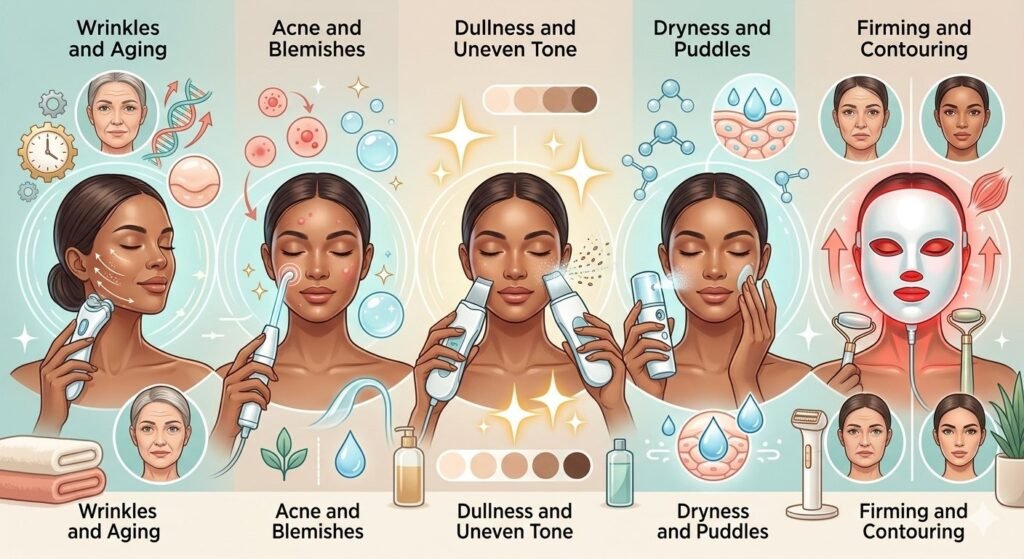
Best for Acne
LED devices can be useful for acne-focused skincare. Blue and blue-red LED treatments have been studied for reducing acne lesions.
However, severe, painful, persistent, or scarring acne may require professional dermatological care rather than relying only on a home device.
Best for Fine Lines and Wrinkles
LED and certain RF devices may help improve the appearance of fine lines and wrinkles with consistent use.
The results are usually gradual. Home devices should not be expected to provide the same outcome as professional procedures.
Best for Facial Firmness
RF devices are commonly used for skin firmness because they deliver controlled heat. Microcurrent devices are also popular for temporary facial toning.
These technologies work differently, so users should choose based on the desired result and the manufacturer’s recommended use.
Best for Puffiness
Facial rollers and massage tools can provide temporary de-puffing effects. Gentle massage may also make the face feel refreshed.
The effect is generally temporary rather than a permanent change in facial structure.
Do At-Home Facial Devices Really Work?
Yes, some at-home facial devices can provide noticeable cosmetic benefits, but their effectiveness depends on the technology.
Research has found evidence for selected LED applications, particularly acne, and certain home RF devices for wrinkles and skin firmness. However, the quality and amount of evidence differ between technologies.
A major factor is consistency. Many home devices require repeated treatments over several weeks or months. One treatment is unlikely to create a major long-term change.
Users should also separate clinical evidence from marketing claims. A product may advertise multiple benefits without having strong independent research for every claim.
Benefits of At-Home Facial Devices
At-home facial devices can offer several practical benefits.
Convenient Skincare
Users can perform treatments at home without making regular clinic appointments.
Easy to Add to a Routine
Many devices require only a few minutes of use according to their instructions.
Targeted Treatment
Different technologies can target different concerns, such as acne, fine lines, firmness, or puffiness.
Potential Long-Term Support
When used consistently and correctly, certain devices may support gradual improvements in the appearance of the skin.
Don’t Miss: How Much Are Acrylic Nails
How to Choose the Right Facial Device
Start With the Skin Concern
The first step is identifying the main goal.
Someone dealing with acne may look at LED technology, while someone focused on skin firmness may consider RF. A person mainly concerned with temporary puffiness may prefer a simple massage tool.
Check the Technology
Look for clear information about what the device actually does. Avoid relying only on phrases such as “professional results” or “advanced technology.”
Check Device Specifications
For LED devices, wavelength and irradiance can be useful specifications. For electrical devices, manufacturers should provide appropriate information about the technology and recommended settings.
Clear specifications make it easier to understand what the device is designed to deliver.
Read Safety Instructions
Every device should include usage instructions, warnings, and contraindications.
Users should read these details before the first treatment instead of assuming that all facial devices work in the same way.
Consider Skin Sensitivity
Sensitive skin may react to heat, electrical stimulation, mechanical exfoliation, or frequent treatments.
Starting with the recommended schedule and avoiding unnecessary overuse can reduce the chance of irritation.
How to Use At-Home Facial Devices Safely
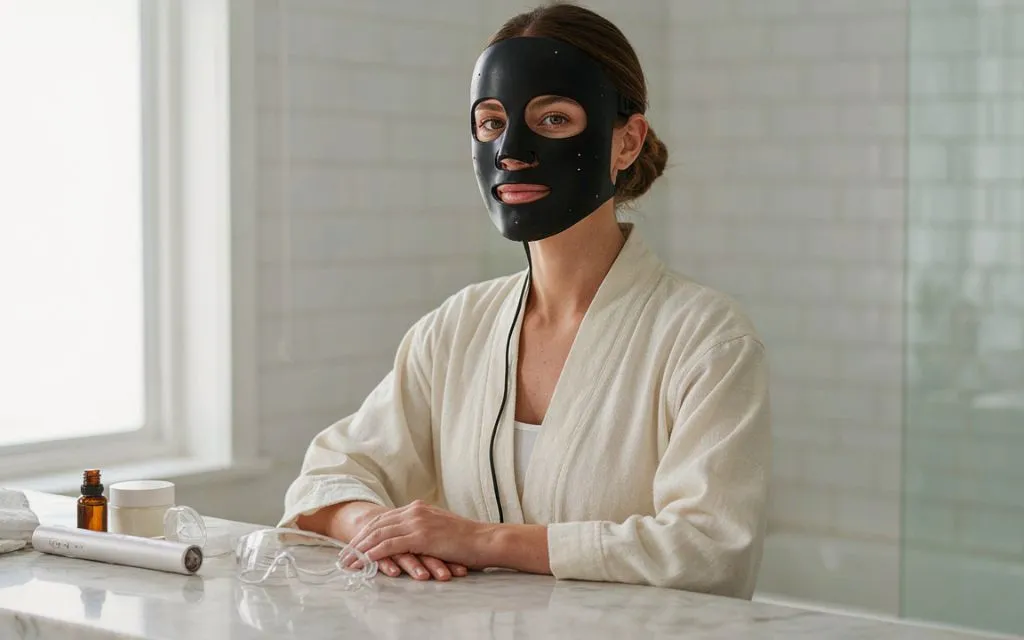
Always follow the manufacturer’s instructions.
Clean the face and device when recommended. Use protective eyewear when required by a light-based device. If a microcurrent device requires conductive gel, use the recommended product.
Users should not increase treatment intensity or duration simply because they want faster results.
Avoid using devices over broken, infected, severely irritated, or injured skin unless a qualified healthcare professional recommends it.
People with certain medical conditions, implanted electronic devices, photosensitivity, or recent cosmetic procedures should seek professional advice before using specific facial technologies.
Common Mistakes to Avoid
Using a Device Too Often
More treatment does not automatically mean better results. Excessive use may increase irritation.
Expecting Permanent Results
Many home devices produce gradual or temporary cosmetic improvements. They should not be viewed as replacements for surgery or professional procedures.
Ignoring Manufacturer Instructions
Treatment times, intensity levels, and recommended frequency differ between products.
Buying Based Only on Social Media
Influencer reviews can describe personal experiences, but they do not replace clinical evidence.
Using Multiple Devices at Once
Combining several technologies can make a skincare routine unnecessarily complicated and may increase the risk of irritation.
At-Home Devices vs Professional Treatments
At-home devices and professional treatments serve different purposes.
Professional treatments are usually performed with more powerful equipment under trained supervision. A dermatologist or qualified practitioner can also adjust treatment according to the patient’s skin and concerns.
Home devices provide convenience and may support routine skincare maintenance. However, their lower intensity generally means that results can be more gradual.
For significant acne, scarring, pigmentation, severe wrinkles, or other persistent skin concerns, professional evaluation may be more appropriate.
Key Takeaway
At-home facial devices can be useful additions to a skincare routine when users choose the right technology and follow safety instructions.
LED devices have useful evidence for selected acne applications, while certain RF devices have been studied for wrinkles and skin firmness. Microcurrent tools are mainly used for temporary toning, while rollers and massage tools focus more on temporary de-puffing.
The most important step is to choose a device based on a specific skin concern rather than popularity or marketing claims.
Frequently Asked Questions
Are at-home facial devices safe?
Many facial devices can be used safely when users follow the manufacturer’s instructions. However, safety depends on the technology, device, skin condition, and individual circumstances.
What is the best at-home facial device?
There is no single best device for everyone. The appropriate choice depends on the skin concern, technology, safety requirements, budget, and evidence supporting the device’s intended use.
Can at-home facial devices remove wrinkles?
Some LED and RF devices may improve the appearance of fine lines and wrinkles with consistent use. Results vary and are generally more subtle than professional procedures.
Are LED facial devices good for acne?
Certain blue and blue-red LED devices have been studied for acne and may help reduce acne lesions. Results vary by device and treatment routine.
How often should a facial device be used?
The recommended frequency depends on the device. Users should follow the manufacturer’s instructions rather than creating their own treatment schedule.
Can facial devices damage the skin?
Incorrect use can cause irritation, redness, burns, or other problems depending on the technology. Following the recommended settings and treatment time is important.
Is microcurrent the same as radiofrequency?
No. Microcurrent uses low-level electrical stimulation, while radiofrequency uses electrical energy to produce controlled heat. They have different mechanisms and cosmetic purposes.
Can facial devices replace a dermatologist?
No. Home devices are intended for personal skincare and selected cosmetic applications. They should not replace professional diagnosis or treatment when a persistent or serious skin concern exists.
Conclusion
At-home facial devices can make skincare more targeted and convenient, but each technology works differently. LED, microcurrent, RF, cleansing devices, facial rollers, high-frequency tools, and microneedling devices all have different purposes, benefits, and safety considerations.
The strongest approach is to identify the main skin concern, research the technology, check the device specifications, follow the instructions, and maintain realistic expectations.
With the right device and consistent use, an at-home skincare tool can become a useful part of a broader skincare routine.